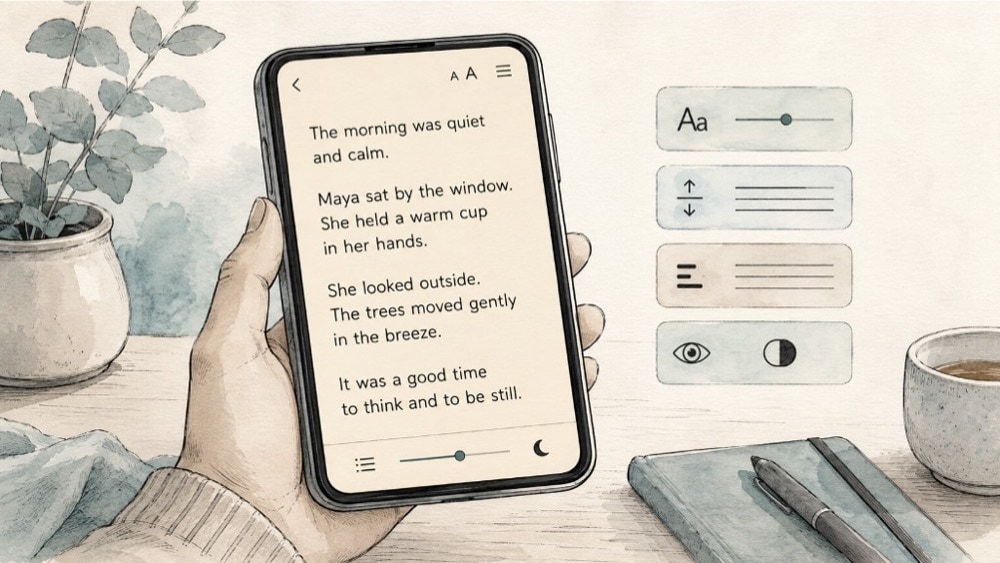
Infographics are still one of the greatest and most appealing ways of sharing facts, numbers, mechanisms, and ideas.
[ef-archive number=2 tag=”lists” ]
When it comes to books, libraries, and everything related to writing and reading, it was a good year. And very well documented in numerous charts, infographics, and other visuals.
One big trend to observe in 2015 was about highlighting characters, objects, props, or quotes from the works of literature.
We’ve seen memorable literary animals, plants, or monsters. There are most unforgettable gifts from literature. You can see numerous infographics with quotes from books.
There is also an infographic (and you can see it below) that lists most famous fictional books – the ones you can read about in other books, but can’t actually read.
Click or tap on each infographic to open it in full resolution. Make sure to follow the credit links to find the original source of the infographic, and read more details about it.
[ef-reco id=”118158″ title=”Read also” info=”Top article”]
10 best book and library infographics of 2015
1. Why reading at young age matters

Parents don’t have to be convinced their children should be reading more. But saying “reading is good for you” may be not enough. What parents need is a list of strong reasons why.
The infographic, prepared by Harper Collins Children with the help from Brandpoint, is all about how reading helps children.
2. Books you can read under hour each

For those who love books, but don’t have enough time for reading. Here are the best books you can read in under an hour each.
On average, an adult person reads 300 words per minute or 18k words per hour. The average paperback has about 250 words per page.
This means an average reader should be able to finish in less than an hour any book that is up to 70 pages long.
The infographic lists 24 books – from novels to short stories, to non-fiction. In theory, all these books can be read in just one day.
Each book comes complete with the number of pages, and an estimated reading time.
3. Managing the one-person library

Many people, when they think of a library, see an institution run by a group of dedicated professionals. The truth is, many librarians work alone.
Larry Cooperman has prepared a great infographic that will let you find out whether you will make a successful solo librarian.
The visual is, in fact, a checklist to test your competence in eight major areas.
4. Inspirational quotes from children’s books

All the most inspiring quotes from your childhood – now in a wonderful infographic created by AAA State of Play.
As you relish in the heartfelt lessons and outlandish adventures along with your children, take note of the simple yet magical words that both educate and comfort.
The visual collects the words of wisdom from The Little Prince, Mary Poppins, Winnie the Pooh, or Dr. Seuss’ Cat in the Hat.
5. Fiction’s greatest fiction

There are books you can read about, but can’t actually read. Such as There and Back Again, A Hobbits Tale, “written” by Bilbo Baggins, the character in The Hobbit, a fantasy novel written by J.R.R. Tolkien.
The infographic from MyPrint 24/7 lists most famous fictional books that were mentioned in the works of fiction, mostly books, movies, and games.
6. Famous books by the numbers

This infographic from Cartridge Discount takes a closer look at word counts of famous books, grouped by category: epic novels, book series, novellas, poems, and 30-minute library.
How does the word count translate to a reading time? The average reading speed of an adult is around 300 words per minute. That makes 18k words per hour.
At the end of the infographic, you’ll find sections devoted to authors, where you’ll find their longest and shortest texts.
7. Monsters in literature

What is the most horrifying monster you read about in your life? Is it Cthulhu, Count Dracula, or maybe Nazgul?
The new infographic from Morph Costumes lists them all: from Goblins to Mr. Hyde, to Grendel.
All the monsters are classified by their scream index, and there are three parts of it: appearance, powers, and evil intent.
8. The biggest reading innovators across the world

From National Book Foundation comes a great infographic that lists organizations which inspire people to read and engage new audiences with literature.
The infographic was prepared to support and promote the Innovations in Reading Prize. Every year, $10,000 is awarded to an organization or individual whose work is vital in promoting reading, through “vision, ingenuity, transformation, achievement & leadership.”
9. The many roles of the 21st-century library

Librarians from California State Library have developed a smart infographic that in a form of a cartoon analyzes all the possible roles a public library can take in the coming years and decades.
10. Famous writers and their weird jobs

The infographic from plagiarism detection engine Unplag presents eleven famous writers who had taken unusual jobs before they started making money from selling books.
Harper Lee was a reservation clerk for Eastern Air Lines. Kurt Vonnegut was selling Saab cars. J.D. Salinger worked as an entertainment director on a Swedish cruise liner. Charles Dickens labeled jars in a shoe polish factory.
• • •
To get more posts like this, please subscribe by RSS or email. Let’s also connect on Facebook, Twitter, and Pinterest.
More lists to explore:
[ef-archive number=5 tag=”lists”]